
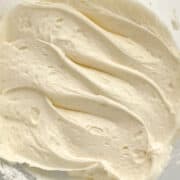
This Cream Cheese Buttercream Frosting is smooth, creamy, and just lightly tangy, making it a natural match for cinnamon rolls, hot cross buns, and frosted quick breads. It spreads easily and adds the perfect finishing touch to yeast risen breads that call for a rich, flavorful frosting.
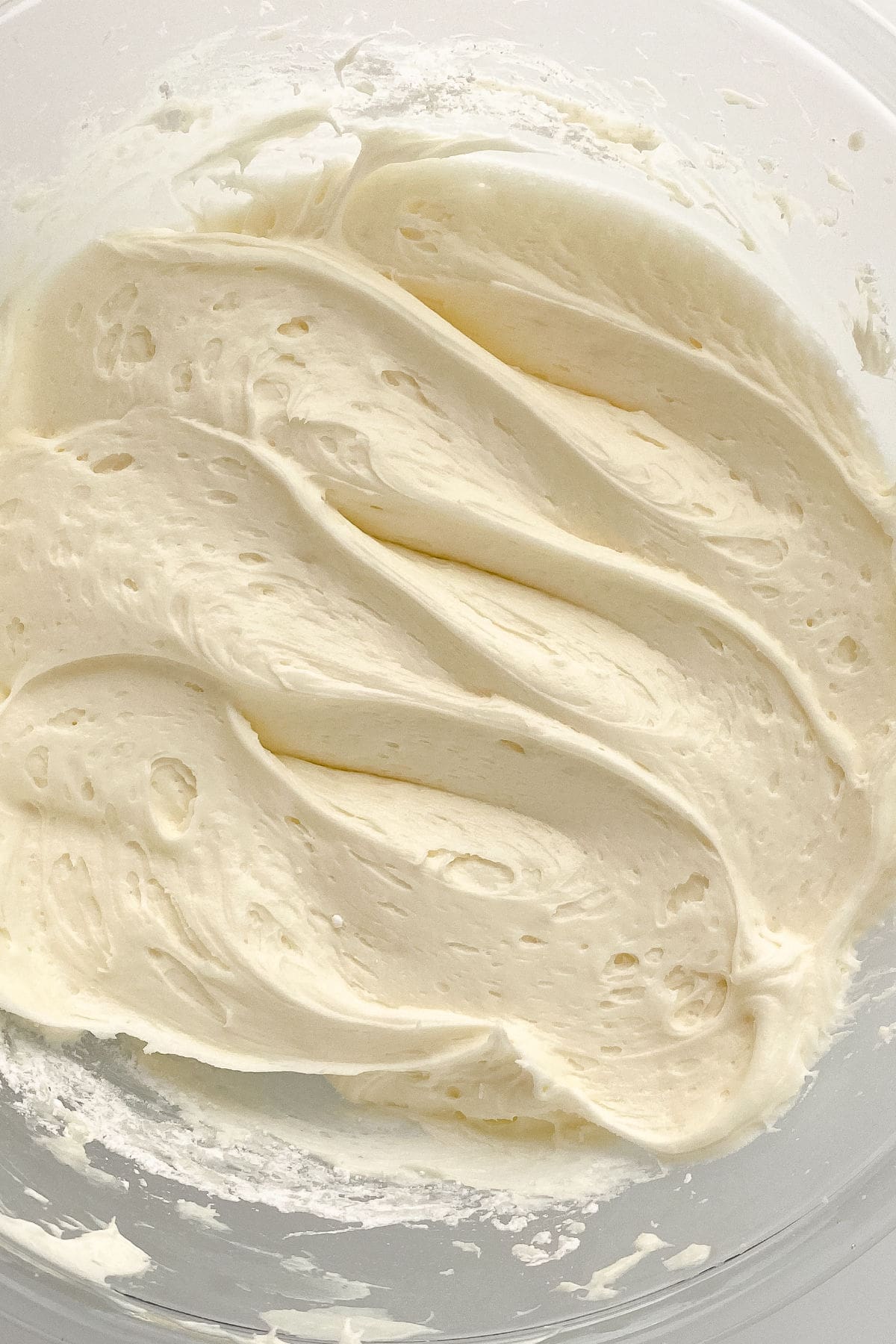
Why You'll Love This Cream Cheese Buttercream Frosting Recipe
This recipe is so good because it strikes the perfect balance between creamy richness and gentle tang, keeping frosted breads from tasting overly sweet. It spreads smoothly, sets up nicely, and complements everything from cinnamon rolls to glazed loaves without overpowering them.
Simple to make and dependable, it's a staple for sweet bread baking.
- Perfect Bread-Friendly Texture: Soft and spreadable without being runny, so it clings beautifully to warm rolls and quick breads without sliding off.
- Easy to Customize: Takes on flavors like vanilla, citrus zest, or spices effortlessly, letting you tailor it to different breads and seasons.
- Make-Ahead Friendly: Can be prepared in advance and stored until needed, making baking days smoother and far less rushed.
Ingredients Overview
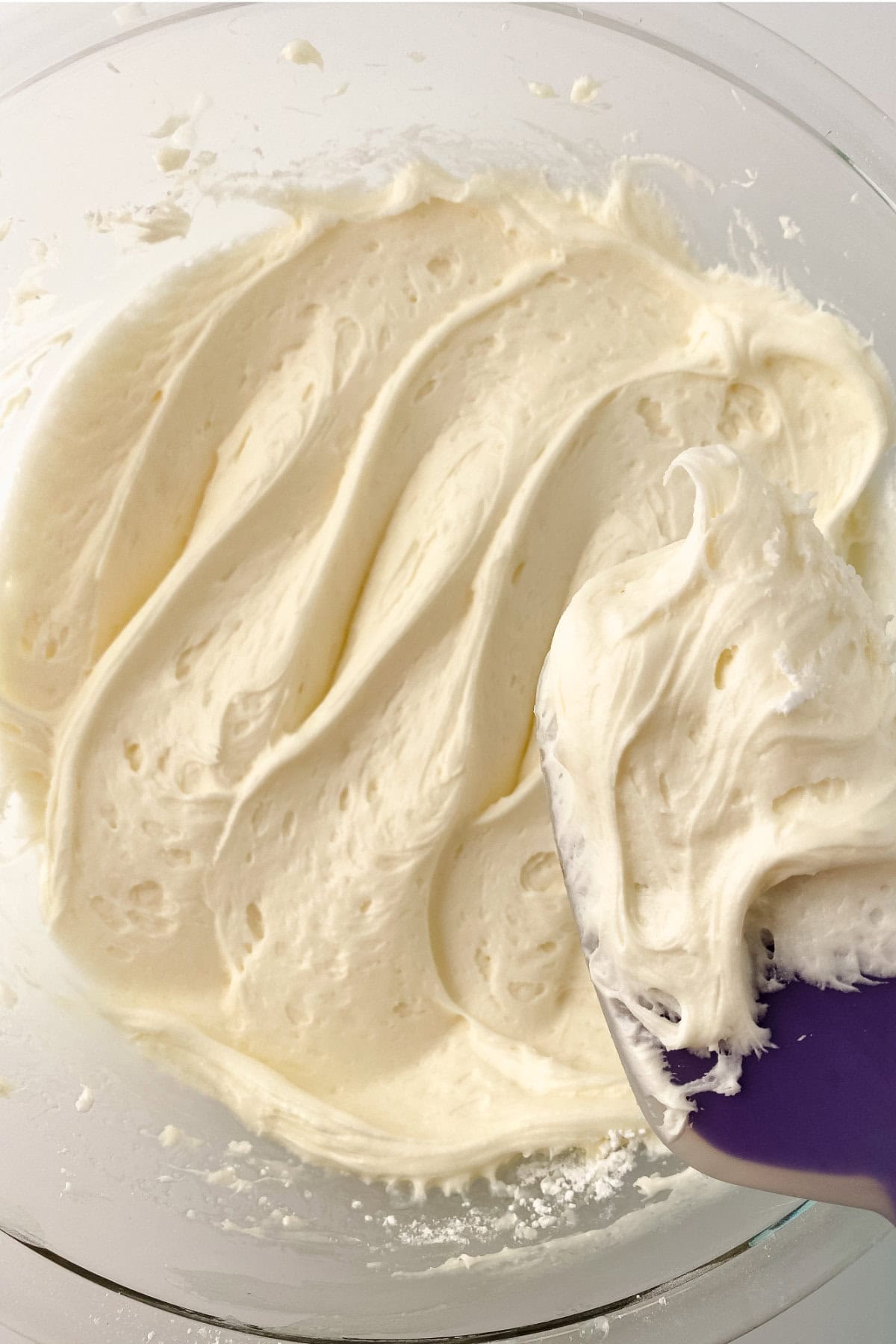
This frosting starts with cream cheese and butter, both softened so they blend smoothly into a rich, creamy base. Powdered sugar adds sweetness while keeping the texture light, and a splash of vanilla rounds out the flavor.
Full ingredient amounts and preparation instructions are in the printable recipe card at the bottom of this post.
How to Make Cream Cheese Buttercream Frosting
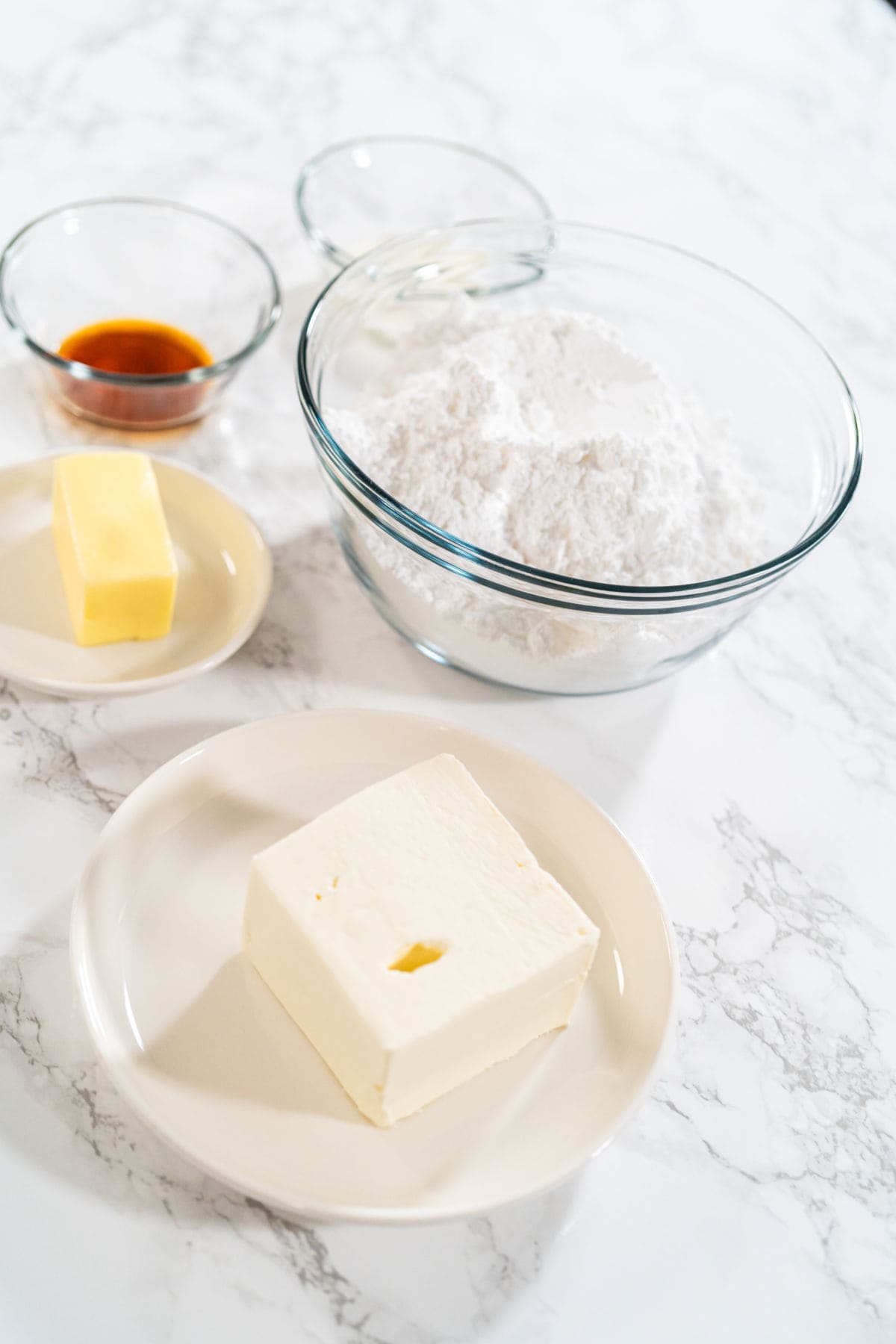
It's simple and quick to make this cream cheese frosting recipe. Start with beating softened cream cheese and butter until smooth. The visual step-by-step tutorial will walk you through each stage.
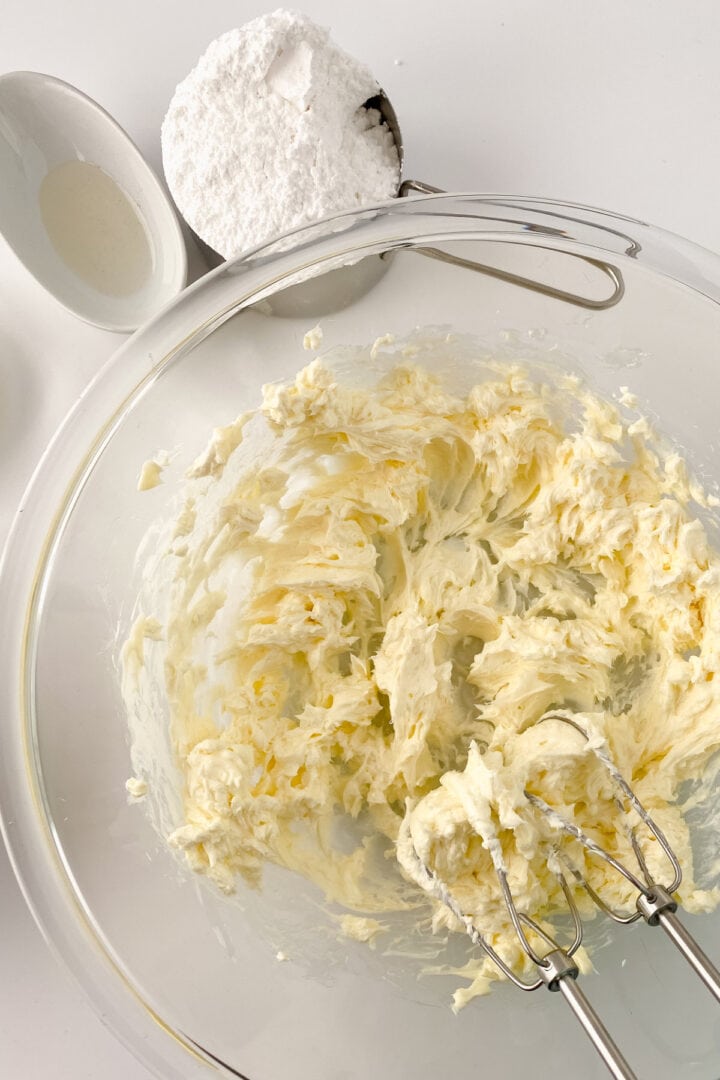
Step 1: Beat the softened cream cheese, softened butter until combined.
Step 2: Add the sifted powdered sugar, vanilla extract, and salt with a stand or electric mixer on low speed until combined.
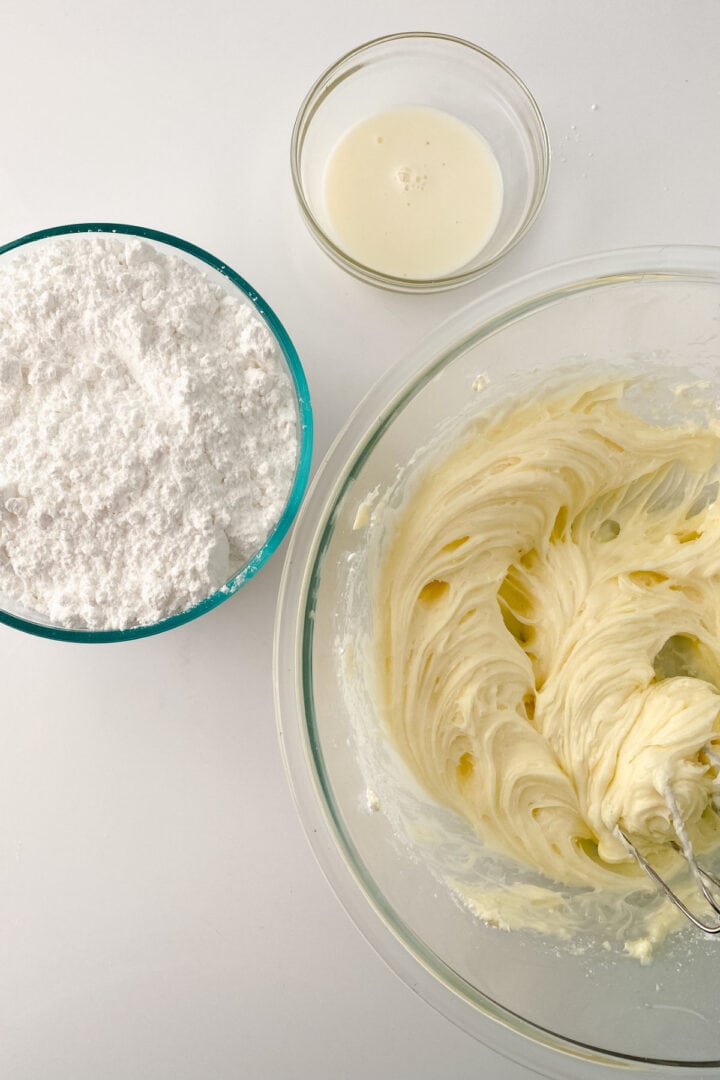
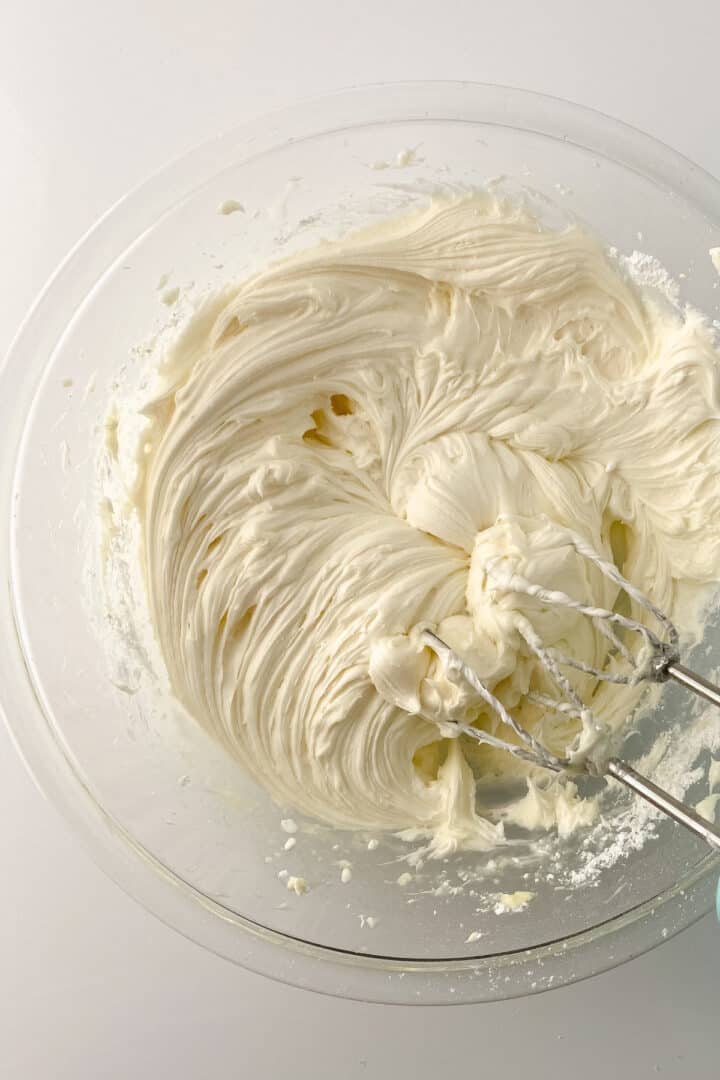
Step 3: Gradually turn speed up to high and beat for 5 minutes, or until smooth and creamy. Make sure to scrape the sides and bottom to make sure all the powdered sugar gets mixed in.
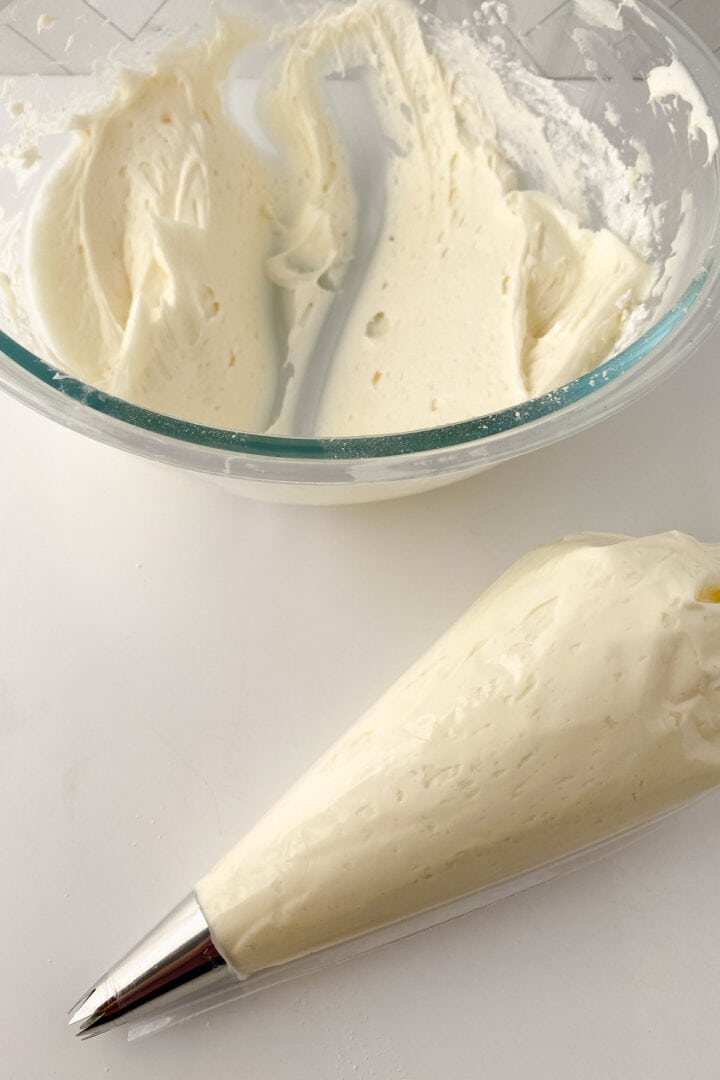
Step 4: If piping, fill a pastry bag with your selected tip.
Ways To Use Cream Cheese Buttercream Frosting
This buttercream with cream cheese the finishing touch for sweet breads beyond the usual favorites. Try it on sticky pecan buns for a nutty, decadent twist, swirl it over a sweet cardamom braid for a fragrant treat, or spread it on a loaf of glazed matcha scones to add creamy richness.

Substitutions and Variations
Some useful tips and substitutions when making this recipe:
- Cream cheese swap: Try mascarpone for a milder, creamier flavor or Neufchâtel for a lower-fat option.
- Sweetener options: Replace powdered sugar with a fine granulated sugar blend or a sugar substitute for a lower-sugar version.
- Flavor variations: Add citrus zest, espresso powder, cinnamon, or almond extract to customize the frosting.
- Texture tweaks: Whip the frosting longer for a lighter, fluffier texture or chill briefly for a firmer spread.
Tips for Success
Helpful tips to help you when making this recipe:
- Soften ingredients first: Make sure both the cream cheese and butter are at room temperature to ensure a smooth, lump-free frosting.
- Sift the powdered sugar: This prevents any clumps and helps the frosting stay silky.
- Mix carefully: Beat on medium speed to combine, then switch to low when adding sugar to avoid a powdered sugar cloud.
- Taste and adjust: Add a little more vanilla or a pinch of salt if needed to balance sweetness and tang.
- Store properly: Keep in an airtight container in the fridge if not using immediately, and bring back to room temperature before spreading for the best texture.
Storage Options
Here is how I store leftovers when making this recipe:
- Refrigerate: Store in an airtight container in the fridge for up to one week.
- Freeze: Freeze in a tightly sealed container for up to three months, then thaw in the fridge overnight before using.
- Room temperature short-term: Keep covered at room temperature for a few hours if using immediately for spreading on fresh baked breads.
- Separate from baked goods: Store the frosting separately from breads or cakes to maintain its texture and prevent melting.
- Re-whip if needed: After chilling or freezing, beat the frosting briefly to restore its smooth, creamy consistency before spreading.
Related Recipes
Frequently Asked Questions
Frosting can turn out runny if the cream cheese and butter are too warm or if you overbeat them; keeping ingredients cool and mixing just until combined can help maintain the right texture.
Use full‑fat block‑style cream cheese rather than low‑fat, whipped, or spreadable varieties, because the latter can make the frosting too soft or loose.
Lumps often come from cold cream cheese or powdered sugar that hasn't been sifted; letting ingredients soften properly and sifting the sugar can help create a smoother texture.
A standard batch usually makes enough to frost a sheet cake or roughly 24 cupcakes, or a double layer cake.
Dessert Bread Recipes




Get the Recipe!
Buttercream with Cream Cheese Frosting
Ingredients
- 8 ounces cream cheese softened to room temperature
- ½ cup unsalted butter softened to room temperature
- 4 cups powdered sugar sifted
- ½ teaspoon salt or to taste
- 2 teaspoons vanilla extract or vanilla bean paste
Instructions
- Beat the softened cream cheese, softened butter, sifted powdered sugar, vanilla extract, and salt with a stand or electric mixer on low speed until combined.8 ounces cream cheese, ½ cup unsalted butter, 4 cups powdered sugar, ½ teaspoon salt, 2 teaspoons vanilla extract
- Gradually turn speed up to high and beat for 5 minutes, or until smooth and creamy. Make sure to scrape the sides and bottom to make sure all the powdered sugar gets mixed in.
Notes
- Soften ingredients first: Make sure both the cream cheese and butter are at room temperature to ensure a smooth, lump-free frosting.
- Sift the powdered sugar: This prevents any clumps and helps the frosting stay silky.
- Mix carefully: Beat on medium speed to combine, then switch to low when adding sugar to avoid a powdered sugar cloud.
- Taste and adjust: Add a little more vanilla or a pinch of salt if needed to balance sweetness and tang.
- Store properly: Keep in an airtight container in the fridge if not using immediately, and bring back to room temperature before spreading for the best texture.


Kelly says
Delicious, I'm making this again!