• Skip to main content
  • Skip to primary sidebar

I Knead Bread

menu icon
go to homepage
  • Recipe Index
    • Bread Machine Bread
    • No Knead Bread
    • Rolls and Buns
    • Yeast Bread
    • Sweet Yeast Bread
    • Muffins
    • Scones and Biscuits
    • Bagels
    • Sourdough Bread
  • Non-Bread
    • Appetizers
    • Dips
    • Spreads
    • Sandwiches
  • Resources
  • FAQ
  • Subscribe
subscribe
search icon
Homepage link
  • Recipe Index
    • Bread Machine Bread
    • No Knead Bread
    • Rolls and Buns
    • Yeast Bread
    • Sweet Yeast Bread
    • Muffins
    • Scones and Biscuits
    • Bagels
    • Sourdough Bread
  • Non-Bread
    • Appetizers
    • Dips
    • Spreads
    • Sandwiches
  • Resources
  • FAQ
  • Subscribe
×
Home » Recipes » Preferments

Modified: Sep 8, 2024 · by Kelly · This website uses affiliate links. ·

What Is A Poolish?

Jump to Recipe
white bread with large bubbly crumb, made with a poolish starter.

Have you ever wondered what is a poolish when reading bread recipes? This seemingly strange word refers to a specific type of preferment (pre-fermented dough) used by bakers to enhance the flavor and texture of their bread.

In this post, we'll delve into the world of poolish, exploring its origins, benefits, and how it works its magic in the baking process.
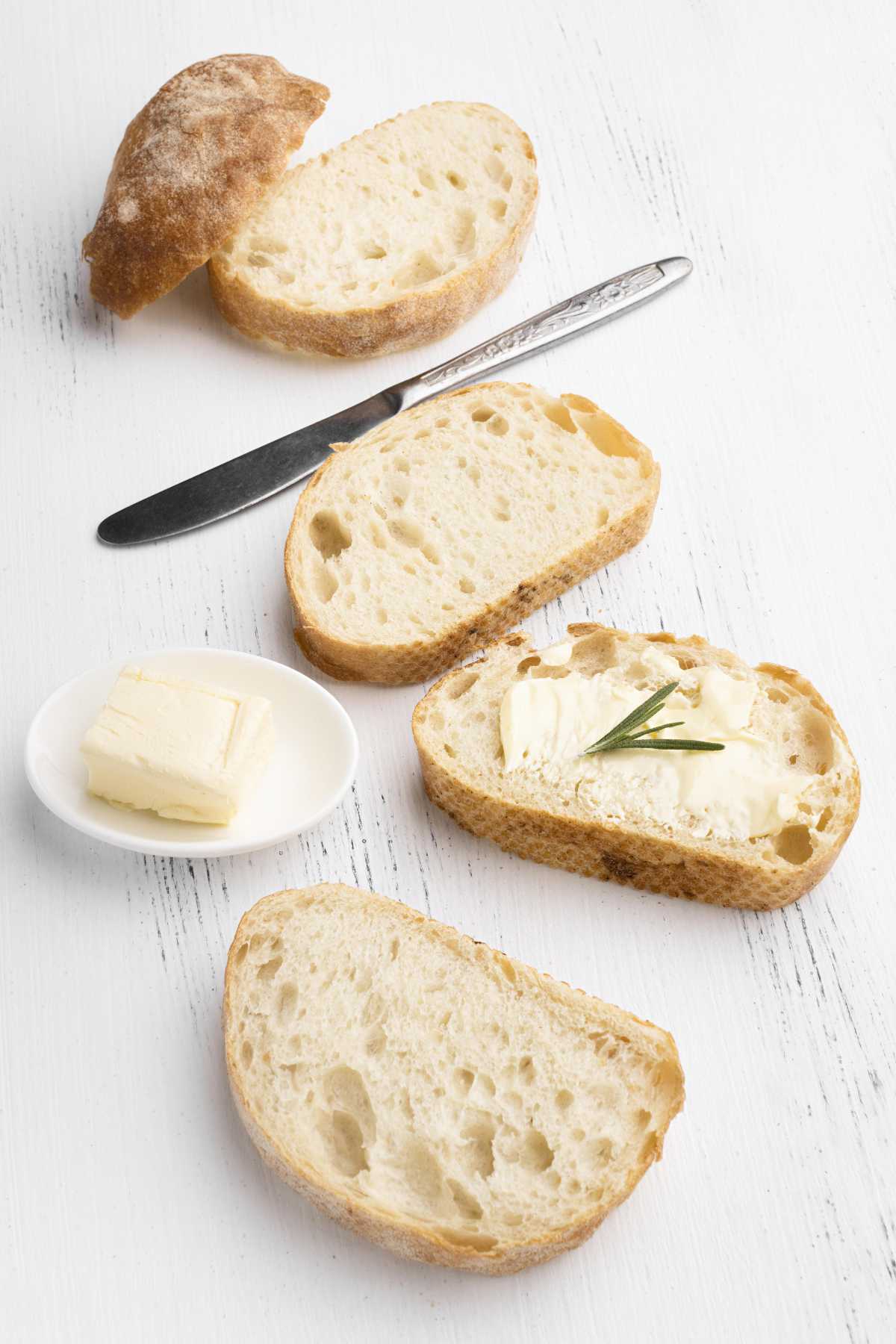
white bread with large bubbly crumb, made with a poolish starter.
Jump to:
  • What Exactly is a Preferment?
  • The Allure of Poolish
  • How To Make A Poolish
  • How Much Poolish Do I Use?
  • So, When Should You Use Poolish?
  • Bread Recipes Using A Poolish
  • Tips for Success
  • Equipment
  • Frequently Asked Questions
  • More Breadmaking Articles
  • Get the Recipe!
  • Reviews

What Exactly is a Preferment?

Before diving into poolish specifically, let's take a quick step back. Preferments, also known as starters, are small portions of dough made with flour, water, and a leavening agent (usually yeast) that are allowed to ferment before being incorporated into the main dough.

This fermentation process encourages the growth of beneficial yeasts and bacteria, leading to several advantages in the final bread:

  • Enhanced Flavor: Fermentation breaks down complex sugars in the flour, releasing flavorful compounds that contribute to a richer and more complex taste.
  • Improved Texture: The action of yeast and bacteria creates gas bubbles within the dough, leading to a lighter and airier crumb.
  • Increased Shelf Life: Prefermented doughs tend to have a longer shelf life due to the presence of organic acids produced during fermentation.

There are various types of preferments used in bread baking, each with its own characteristics and methods. Now, let's get back to our star ingredient: the poolish.

The Allure of Poolish

A poolish is a liquid preferment made with a simple combination of flour, water, and a small amount of yeast. The consistency is quite wet, resembling a thick batter with a hydration level (the ratio of water to flour) typically around 100%.

This high hydration level contributes to the unique properties of poolish:

  • Extensibility: The dough made with poolish is more extensible, meaning it can be stretched and shaped more easily, leading to beautiful baguettes and other shaped loaves.
  • Open Crumb: The fermentation process in poolish creates a more open and airy crumb structure in the final bread.

While poolish shares some similarities with sourdough starters, which are fermented for longer periods and incorporate naturally occurring bacteria, poolish relies solely on commercial yeast for leavening.

This makes it a much faster option, typically requiring only a few hours of fermentation compared to the days or even weeks needed for a sourdough starter to mature.

How To Make A Poolish

Use a whisk when mixing be sure that there are no lumps of dry flour left.

Ingredients

  • Bread flour
  • Lukewarm water (around 90°F/32°C)
  • Active dry yeast

Instructions

  1. In a medium bowl, whisk together the flour and water until a smooth batter forms.
  2. Sprinkle the yeast over the top and let it sit for 5 minutes, until foamy and activated.
  3. Cover the bowl loosely with plastic wrap and let it ferment at room temperature for 4-6 hours, or until doubled in size and bubbly. The surface may develop a slightly collapsed center.
  4. Your poolish is now ready to use in your bread recipe!

Full ingredient amounts and preparation instructions are in the printable recipe card at the bottom of this post.
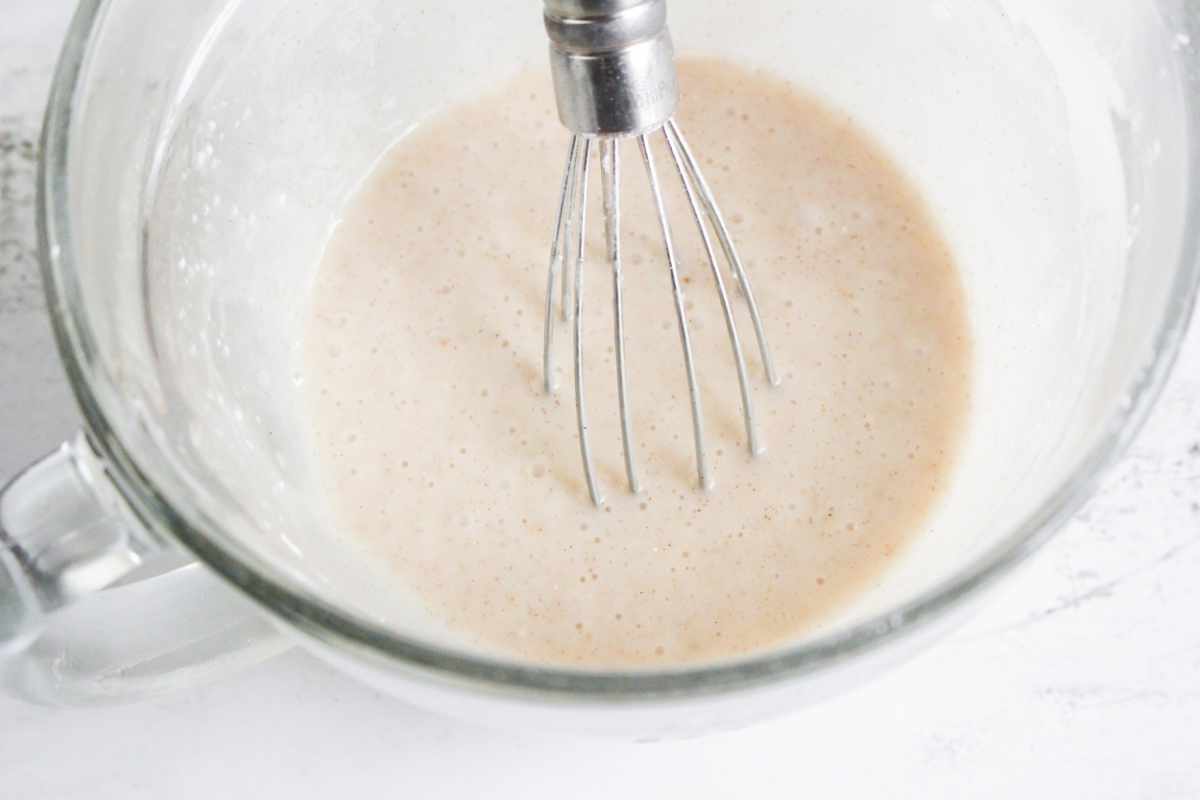
whisking wet ingredients in a bowl.

How Much Poolish Do I Use?

The amount can vary depending on the recipe. Typically, a recipe will call for a specific weight or percentage of the total flour in the recipe.

As a general guideline, using 20-30% (by weight) compared to the total flour in your main dough recipe is a good starting point.

So, When Should You Use Poolish?

Poolish is a fantastic choice for bakers looking to elevate their bread with improved flavor and texture.

Poolish is particularly well-suited for breads that benefit from a light and airy crumb, such as baguettes, focaccia, and ciabatta. If you're looking to experiment with preferments but are short on time, poolish offers a convenient and rewarding option.

So, the next time you encounter this breadmaking term, don't be intimidated! Embrace this baker's secret weapon and discover the magic it brings to your homemade bread.

Bread Recipes Using A Poolish

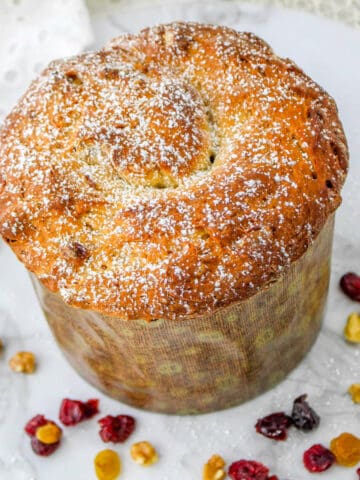
  • Italian Panettone (Christmas Bread)
  • Roasted Garlic Focaccia

Tips for Success

Here are a few tips for when you're making a poolish:

  • Use lukewarm water to activate the yeast, but avoid water that is too hot, as it can kill the yeast.
  • The fermentation time may vary depending on your room temperature. If your kitchen is cooler, it may take closer to 6 hours for the poolish to double.
  • You can store leftover poolish in the refrigerator for up to 24 hours. However, it may lose some of its activity.
Equipment

  • Glass Mixing Bowls3 sizes
  • Stainless Steel Whisk Set3 sizes

Frequently Asked Questions

Can I use all-purpose flour instead of bread flour?

Yes, you can substitute all-purpose flour for bread flour in a pinch. However, bread flour has a higher protein content, which leads to a stronger dough structure. Using all-purpose flour might result in a slightly less airy crumb.

How long can I store my poolish?

You can store poolish in the refrigerator for up to 24 hours. However, the longer it sits, the more the fermentation process continues, which can affect the final flavor and texture of your bread. It's best to use the poolish within a few hours of reaching its peak volume.

More Breadmaking Articles

Get the Recipe!

white bread with large bubbly crumb, made with a poolish starter.
Print Recipe
5 from 2 votes

Simple Poolish Recipe

This recipe creates a basic poolish suitable for many bread recipes. You can easily whisk this up the night before a morning breakmaking session, or even the morning you plan to bake.
Prep Time5 minutes mins
Prefermenting6 hours hrs
Total Time6 hours hrs 5 minutes mins
Course: Bread
Cuisine: American
Servings: 1 bread recipe
Calories: 454kcal
Author: Kelly
Save the Recipe

📩Email To Your Inbox

Send this recipe straight to your inbox by entering your email. As a bonus, you'll receive recipe ideas every other week!

Equipment

  • Glass Mixing Bowls 3 sizes
  • Stainless Steel Whisk Set 3 sizes

Ingredients

  • 1 cup Bread flour or all-purpose
  • 1 cup Water lukewarm, (around 90°F/32°C)
  • ¼ teaspoon Active dry yeast
US Customary - Metric
Prevent your screen from going dark

Instructions

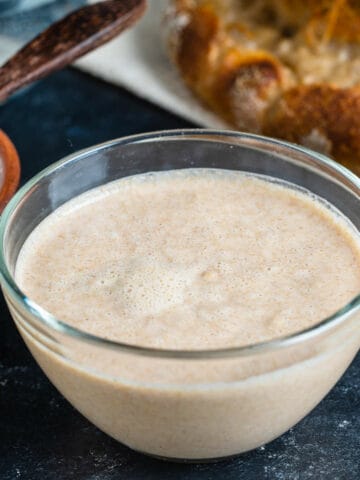
  • In a medium bowl, whisk together the flour and water until a smooth batter forms.
    1 cup Bread flour, 1 cup Water
  • Sprinkle the yeast over the top and let it sit for 5 minutes, until foamy and activated.
    ¼ teaspoon Active dry yeast
  • Cover the bowl loosely with plastic wrap and let it ferment at room temperature for 4-6 hours, or until doubled in size and bubbly. The surface may develop a slightly collapsed center.
  • Your poolish is now ready to use in your bread recipe!

Notes

  • Use lukewarm water to activate the yeast, but avoid water that is too hot, as it can kill the yeast.
  • The fermentation time may vary depending on your room temperature. If your kitchen is cooler, it may take closer to 6 hours for the poolish to double.
  • You can store leftover poolish in the refrigerator for up to 24 hours. However, it may lose some of its activity.
Nutrition

Calories: 454kcal | Carbohydrates: 91g | Protein: 15g | Fat: 2g | Saturated Fat: 0.3g | Polyunsaturated Fat: 1g | Monounsaturated Fat: 0.2g | Sodium: 15mg | Potassium: 132mg | Fiber: 3g | Sugar: 0.4g | Vitamin A: 3IU | Calcium: 26mg | Iron: 1mg

More Preferment Recipes

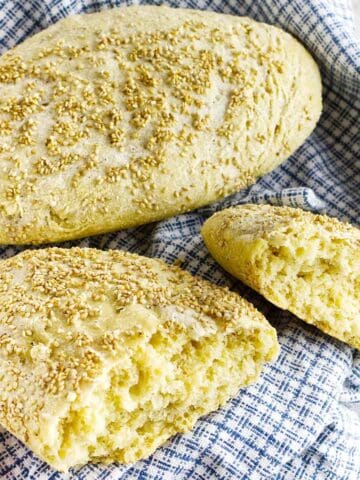
  • A jar labeled "Potato" filled with a white liquid sits on a counter next to a box of instant mashed potatoes, a digital kitchen scale, and a pink spoon holding potato flakes for making potato flake sourdough bread starter.
    Instant Potato Flake Sourdough Bread Starter
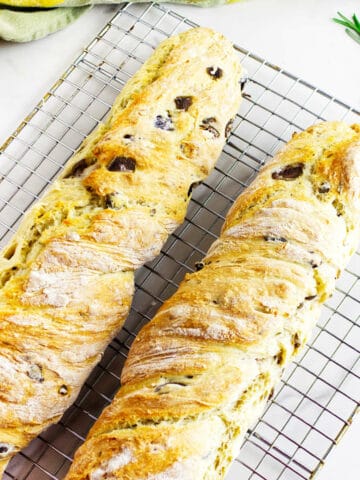
  • baked panettone christmas cake.
    Italian Panettone (Christmas Bread)
  • preferment levain in a bowl waiting to be used.
    What Is A Levain?
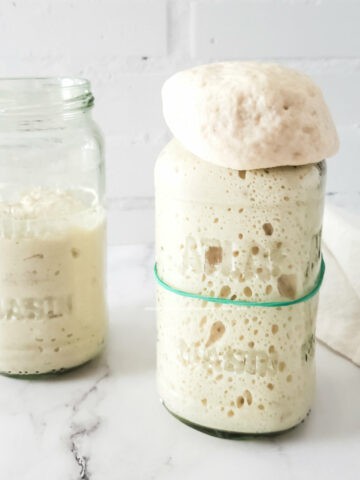
  • rubber band marking growth of a sourdough preferment in a jar.
    How To Make A Sourdough Starter
5 from 2 votes (2 ratings without comment)

Primary Sidebar

Kelly Bloom, recipe creator at I Knead Bread.

I love bread! I started making bread when I was 21 and working at a Jewish bakery. I loved to watch the bakers as they made ginormous batches of bagels, challah, rye bread, and Hamenstachen cookies.

More about me →

Popular Recipes

  • A freshly baked loaf of cheese bread with a golden, textured top sits in a bread maker pan on a striped kitchen towel.
    Bread Machine Cheese Bread
  • A loaf of bread machine honey wheat bread sits on a wooden board with two slices cut and lying in front. The bread has a golden-brown crust and soft, airy texture. A striped cloth is partially visible in the background.
    Honey Wheat Bread Machine Recipe
  • Freshly baked rosemary focaccia, sliced and garnished with fragrant sprigs and coarse salt, rests on a wooden cutting board. A small bowl of salt is nearby, and additional rosemary lays scattered for decoration.
    Easy Rosemary Focaccia Bread
  • A split everything bagel sits on a white plate, one half generously spread with cream cheese. A butter knife rests beside it, seeds scattered around hinting at the flavorful dance of everything bagels.
    Homemade Deli-style Everything Bagels

Sweet Yeast Bread

  • A circular rosca de reyes, or Wreath of the Kings, is topped with white icing, red cherries, and sliced almonds. It rests on a white background with a hint of a red and white striped cloth visible at the top.
    Rosca de Reyes Wreath Bread
  • A round Mardi Gras king cake decorated with white icing and sprinkled with yellow, green, and purple sugar sits on a white plate against a purple background.
    Mardi Gras King Cake
  • A close-up of a spoonful of homemade cinnamon sugar being held above a glass jar filled with more of the sweet mixture. The jar features a metal clasp and an orange seal.
    Homemade Cinnamon Sugar Recipe
  • A close-up of sliced strawberry focaccia bread drizzled with white icing. The bread is golden brown with visible chunks of strawberries and a moist, crumbly texture. One slice is slightly pulled away from the loaf.
    Strawberry Rhubarb Sweet Focaccia
See more Sweet Yeast Bread →

Bread Machine Bread

  • A thick slice of homemade bread with a melting pat of butter on top, served on a white plate. A loaf of bread and a small bowl of butter are in the background.
    Bread Machine Sandwich Bread Recipe (Soft White Loaf)
  • A close-up of bread maker cinnamon swirl bread with one slice cut, showing the spiral of cinnamon inside. The loaf rests on a white surface with a yellow and green cloth in the background.
    Bread Machine Cinnamon Swirl Bread
  • A loaf of dark brown bread, reminiscent of Cheesecake Factory bread, topped with oats and partially sliced on a white surface, with two slices in front. A yellow cloth is in the background.
    Bread Machine Cheesecake Factory Bread
  • A loaf of bread machine pumpkin bread, partially sliced, sits on a black cutting board. Several slices are shown, with one spread with melted butter. Nearby are cinnamon sticks and a small jar labeled "cloves.
    Bread Maker Pumpkin Bread
See more Bread Machine Bread →

Footer

↑ back to top

About

  • About
  • Privacy Policy
  • Disclaimer
  • Terms & Conditions
  • Accessibility Policy

Newsletter

  • Sign Up! for emails and updates

Contact

  • Resources
  • FAQ
  • Disclosure
  • Contact

As an Amazon Associate I earn from qualifying purchases.

Copyright © 2025 I KNEAD BREAD · All Right Reserved

Rate This Recipe

Your vote:


Let us know what you thought of this recipe:

Delicious, I'm making this again!
My family loved this!
Thank you for sharing this recipe
We really enjoyed this recipe.
Easy to follow and turned out great!

Or write in your own words:

A rating is required
A name is required
An email is required

Recipe Ratings without Comment

Something went wrong. Please try again.